Choosing between steel and aluminum is a key decision in fabrication. Each has unique benefits, and the best choice depends on your project needs. Let’s break down the differences to make choosing metal for fabrication easier.
Key Differences Between Steel and Aluminum
Steel and aluminum are both excellent choices, but they behave differently under certain conditions. Steel is known for its strength and rigidity. It works best for heavy-duty frameworks and load-bearing structures. Aluminum is lightweight and corrosion-resistant, making it ideal for marine projects. Your choice depends on factors like strength-to-weight ratios, corrosion, fabrication costs, and workability. Compare all these factors to find the best option for your project.
Comparing Strength and Weight
Strength is a major influence on material choice. Both metals can be strong, but you have to consider load-bearing capacity, density, and overall weight.
Absolute Strength: Steel’s Advantage
Steel sets the standard for strength in metal fabrication. Its high tensile and yield strength allow it to support heavy loads without bending or breaking, making it ideal for projects that require structural integrity, such as multistory buildings and bridges. Steel’s density and hardness help it perform well under tension and compression, withstanding extreme forces and high temperatures that would deform lighter metals. Its accessibility and affordability also make it common in heavy-duty projects.
Strength-to-Weight Ratio: Aluminum’s Edge
Although steel is stronger overall, aluminum is more efficient due to its lower weight and good durability. Its high strength-to-weight ratio allows for larger projects without significantly increasing weight, making it ideal for applications where mobility, aerodynamics, or energy efficiency are priorities, such as aerospace.
Aluminum’s strength and light weight also enable fabricators to achieve high precision and creative designs, such as custom panels or reduced overall mass for better performance.
Corrosion Resistance and Durability
While strength affects a metal’s performance under load, corrosion resistance determines its longevity in harsh environments. Projects exposed to the elements or water require materials with good corrosion resistance to prevent early failure. Here’s how corrosion resistance in aluminum or steel projects plays out.
How Aluminum Resists Corrosion
Aluminum naturally resists corrosion by forming a thin oxide layer when exposed to air, which protects it from further damage. This layer renews itself if scratched, providing ongoing protection without the need for additional treatments. Aluminum is ideal for projects exposed to humidity, temperature changes, or saltwater, as it won’t rust.
Protecting Steel From the Elements
Carbon steel is less resistant to corrosion, as its iron content reacts with oxygen and moisture to form rust, which weakens the metal. Protective finishes like paint, powder coating, or galvanization are necessary to shield it from the environment.
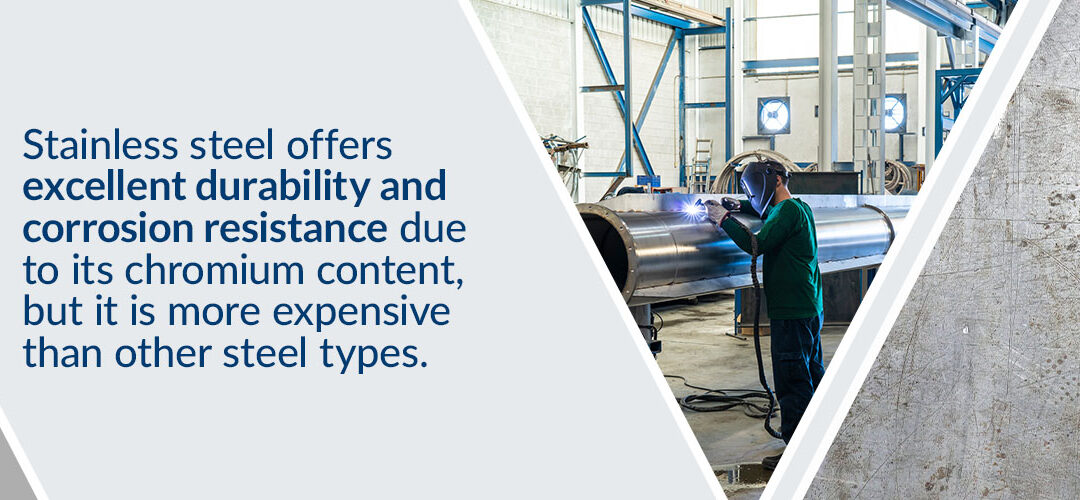
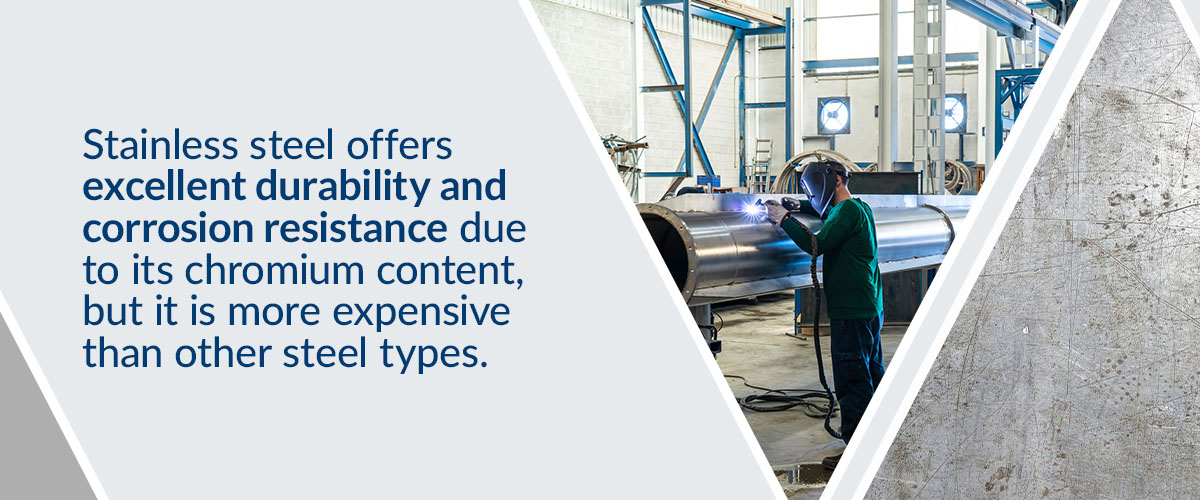
Stainless steel offers excellent durability and corrosion resistance due to its chromium content, but it is more expensive than other steel types. Unless your project specifically requires these properties, more affordable alternatives may be preferable.
Fabrication Workability and Appearance
Pressure and heat can influence the behavior of metals. Workability refers to how easily a material can be cut, bent, or welded, which affects production time, design flexibility, costs, and final appearance.
Malleability and Forming
Aluminum is famous for its malleability. Its softer composition and lower melting point make it easier to cut and form than steel. Fabricators can achieve tight bends and curved shapes without excess force or tooling. Its workability allows aluminum to meet project demands for detailed or seamless designs easily.
Steel requires more energy and precision during fabrication. It has a higher hardness and melting temperature, which means it is more difficult to manipulate. The result is higher cutting power and stronger press demands. It adds time and labor to projects, but it also contributes to steel’s strength and stability once formed.
Finishing and Appearance
A metal’s surface finish impacts both its protection and appearance. Aluminum’s natural finish is bright and smooth, making it suitable for modern designs without extra treatment. Anodized coatings can be added for enhanced corrosion resistance.
Steel typically needs powder coating, polishing, or painting for the desired appearance and corrosion resistance. This extra step also allows for a wider range of color and texture options.
Understanding the Cost of Fabrication
Breaking down steel vs. aluminum in fabrication isn’t just about performance. It’s also about managing cost over your project’s life. Raw material prices influence the cost, but processing, finishing, transportation, and maintenance will add up.
Material Cost Per Pound
Standard steel is usually less expensive than aluminum, with carbon steel being among the most affordable options. Stainless steel and specialty alloys cost more. Aluminum’s higher price per pound is due to its energy-intensive production, but costs can vary by grade, market demand, and supply chain fluctuations.
Total Project and Lifetime Cost
Total fabrication cost includes all project expenses. Aluminum’s lighter weight can reduce transportation and installation costs, and its natural corrosion resistance means lower maintenance and finishing expenses. Steel’s lower upfront cost makes it budget-friendly, but it requires treatments to prevent rust. Its higher weight and maintenance needs can increase total costs over time, so aluminum may offer better long-term value.
The best approach is to compare total life cycle cost against performance expectations. If you need maximum strength and minimal upfront investment, steel is a great solution. If your priority is reducing weight and minimizing maintenance, choose aluminum.
Making the Right Choice for Your Industry
Every industry has different material demands. There’s no one-size-fits-all answer, so you’ll want to break down your project and goals for your fabrication material comparison.
Choose steel for:
- Heavy-duty structural applications, such as buildings and bridges.
- Projects that see less water and humidity, unless coating against corrosion.
- Manufacturing machinery and parts that see high stress or heavy loads.
- Projects prioritizing strength and cost efficiency.
Choose aluminum for:
- Industries that need weight reduction for better performance and fuel efficiency.
- Marine and outdoor structures dealing with moisture and salt.
- Projects that need design flexibility or a sleek appearance.
- Portable structures that require fast, efficient transport and setup.
Partner with Fabrication Experts at MA Steel Fab
Sometimes, it’s not easy to tell when to use steel or aluminum. That’s where expert support makes all the difference. The team at MA Steel Fab has decades of experience in helping clients across industries find the perfect balance of strength, efficiency, and cost for their fabrication projects.
As a one-stop shop for custom metal fabrication, laser cutting, forming, and finishing coordination, MA Steel Fab always delivers superior craftsmanship with the latest technology. Every client is paired with a dedicated project manager to ensure seamless communication and rapid results. No matter your application, we’re ready to bring your design to life. Call us at 717-687-7313 or email our team to request a quote today!l